What is SEO?
Search Engine Optimization (SEO) is the process of improving a website’s visibility on search engines like Google, Bing, and Yahoo. When people search for information, products, or services online, search engines display results based on how relevant and trustworthy they believe a webpage is. SEO helps a website rank higher in these results, which can increase traffic, brand awareness, and potential sales.
At its core, SEO is about understanding how search engines work and what people are searching for. It involves both technical and creative elements to make a website attractive to search engines and useful for users. Unlike paid advertising, SEO focuses on earning traffic naturally—often referred to as “organic traffic.”
Key Components of SEO
SEO can be divided into three main categories: on-page SEO, off-page SEO, and technical SEO.
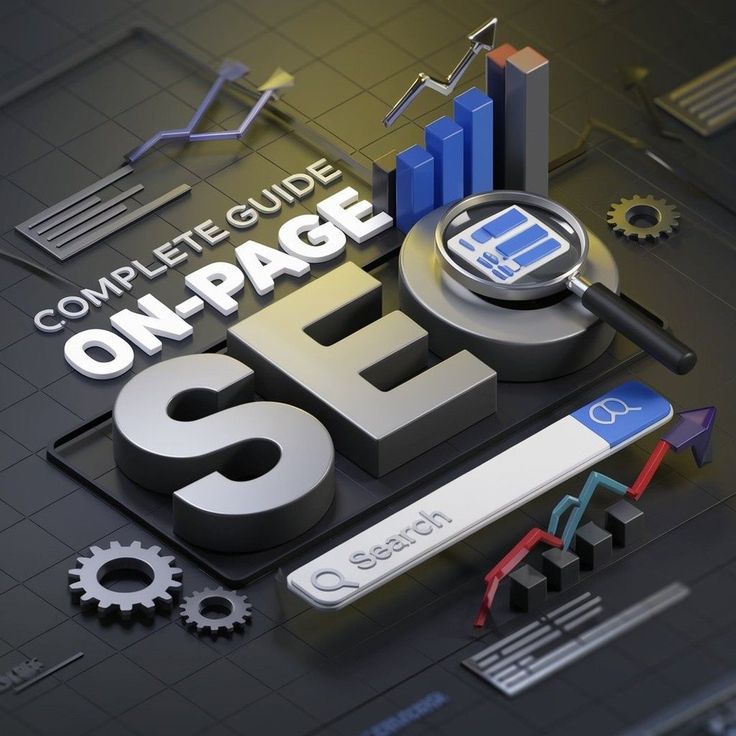
1. On-Page SEO
focuses on optimizing individual web pages. This includes using relevant keywords in titles, headings, and content, writing clear meta descriptions, and ensuring content is original and valuable. Good on-page SEO also involves improving readability, using internal links, and optimizing images with proper tags.
2. Off-Page SEO
deals with actions taken outside your website to improve its authority and reputation. The most important part of off-page SEO is link building—getting other trusted websites to link to your site. These backlinks act as votes of confidence that signal to search engines that your content is credible. Social media sharing and online mentions also contribute to off-page SEO.
3. Technical SEO
Involves improving the website’s backend structure so that search engines can crawl and index it effectively. This includes optimizing site speed, ensuring mobile-friendliness, fixing broken links, using secure HTTPS connections, and creating XML sitemaps. A technically sound website improves user experience and helps search engines understand your content better.

Why SEO is Important
SEO is crucial because it connects businesses with people who are actively searching for their products or services. High-ranking websites receive more clicks, more visitors, and often more conversions. For small businesses, good SEO can level the playing field against larger competitors. For larger companies, it helps maintain online dominance and brand authority.
In addition to driving traffic, SEO builds trust and credibility. People tend to trust websites that appear on the first page of search results. SEO also improves the overall user experience, since search engines prioritize websites that load quickly, are easy to navigate, and contain high-quality content.
The Future of SEO
SEO is constantly evolving as search engines update their algorithms. Today, factors like voice search, artificial intelligence (AI), mobile optimization, and user intent play a major role. Modern SEO focuses not just on keywords but on understanding what users truly want to know and providing valuable, engaging content that meets their needs.